Celebrating the role of Pars Tamin Mines Development Company in training local technical personnel in Sistan and Baluchestan Province

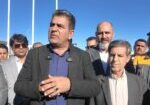
The provincial technical and vocational director general and the deputy of the Sistan and Baluchestan Province’s Semat Organization visited the Taftan gold extraction factory and praised the role of Pars Tamin Mines Development Company in training and employing local technical personnel.
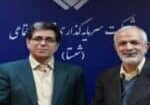
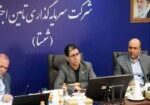
According to the public relations report of Pars Tamin Mines Development Company, during the visit, Jalil Shahriari, the provincial technical and vocational director general, and Mahmoud Reza Rahmatian, the deputy of the provincial Semat Organization, accompanied by Mohammad Nabi Nouri, the CEO of Pars Tamin Mines Development Company, visited the Taftan gold extraction factory.
During this visit, while explaining the process of constructing the gold extraction factory, Nouri stated that one of Pars Tamin’s achievements was holding a recruitment test with the aim of attracting local human resources in the region.
Referring to the design of a socialization course and sending local forces to undergo a scientific and practical training course at the Mote Gold Complex, he considered this action by Pars Tamin Company to be a unique move in the province and a rare one in the country, and emphasized: “Pars Tamin, by investing in training local technical personnel, laid the foundation for creating and developing an industrial culture in Taftan city, Sistan and Baluchestan province.”
During this visit, Shahriari appreciated the attention of Pars Tamin Mines Development Company in creating an industrial culture in the region and called for expanding cooperation between the General Directorate of Technical and Vocational Education of Sistan and Baluchestan Province and Pars Tamin Mines Development Company.
Pars Tamin Mines Development Company is the mining arm of Sadr Tamin Holding, a subsidiary of Shasta Holdings. By exploiting the mine and constructing a gold extraction factory, this company has provided direct and indirect employment for more than 1,500 people from Sistan and Baluchestan Province.